Measure change across symptoms, function, goals, and safety
How to know whether EMDR is working: progress measures beyond one session
A practical guide to EMDR progress using repeated symptoms, daily function, goals, target review, adverse changes, client experience, PCL-5, CAPS-5, and treatment decisions.
By the EMDRSuite Editorial Team
Product claims checked against the current EMDRSuite code and interface.
No independent clinical reviewer is named for this guide.
Progress is a pattern, not a dramatic session
Possible improvement includes fewer or less intense trauma symptoms, better sleep or concentration, less avoidance, greater ability to work or relate, movement toward personal goals, reduced interference from a target, and increased choice when triggers occur. The relevant indicators should be agreed before treatment and reviewed over time.
Crying, vivid dreams, fatigue, a sudden insight, a SUD rating of zero, or an intense processing session does not by itself demonstrate durable benefit. Some people improve gradually and unevenly. Others feel temporarily activated without later gain. Claims should follow repeated outcomes, not the drama of one appointment.
Use repeated measures without turning a score into a diagnosis
The VA describes the PCL-5 as a self-report PTSD measure that can monitor symptom change. It notes that a 10-point change has been suggested as an indicator of response, while evidence for precise thresholds remains limited. Diagnosis requires an appropriate clinical assessment, not a questionnaire alone.
The CAPS-5 is a clinician-administered PTSD interview and can help evaluate severity and diagnostic change. Measures should use consistent time frames and be interpreted with clinical context, measurement error, comorbidity, medication or life changes, and what matters to the patient. A score is evidence, not the whole person.
Phase 8 asks what held, what changed, and what comes next
Reevaluation should revisit the processed target, current triggers, new material, positive belief, body response, symptoms, functioning, adverse changes, and the client's view of treatment. It then informs whether to continue the plan, address another target, strengthen preparation, modify delivery, seek consultation, coordinate care, or stop.
A target can feel less disturbing while major impairment remains. Conversely, function may improve before a symptom score crosses a proposed threshold. Good care discusses the discrepancy openly rather than selecting only the favorable indicator.
Nonresponse and deterioration are decision points
If there is no meaningful change after an agreed review period, revisit diagnosis, formulation, targets, barriers, dissociation, ongoing threat, sleep, substances, medical issues, treatment fidelity, fit, and patient preference. Persistent worsening, new risk, or loss of function requires prompt assessment rather than more stimulation by default.
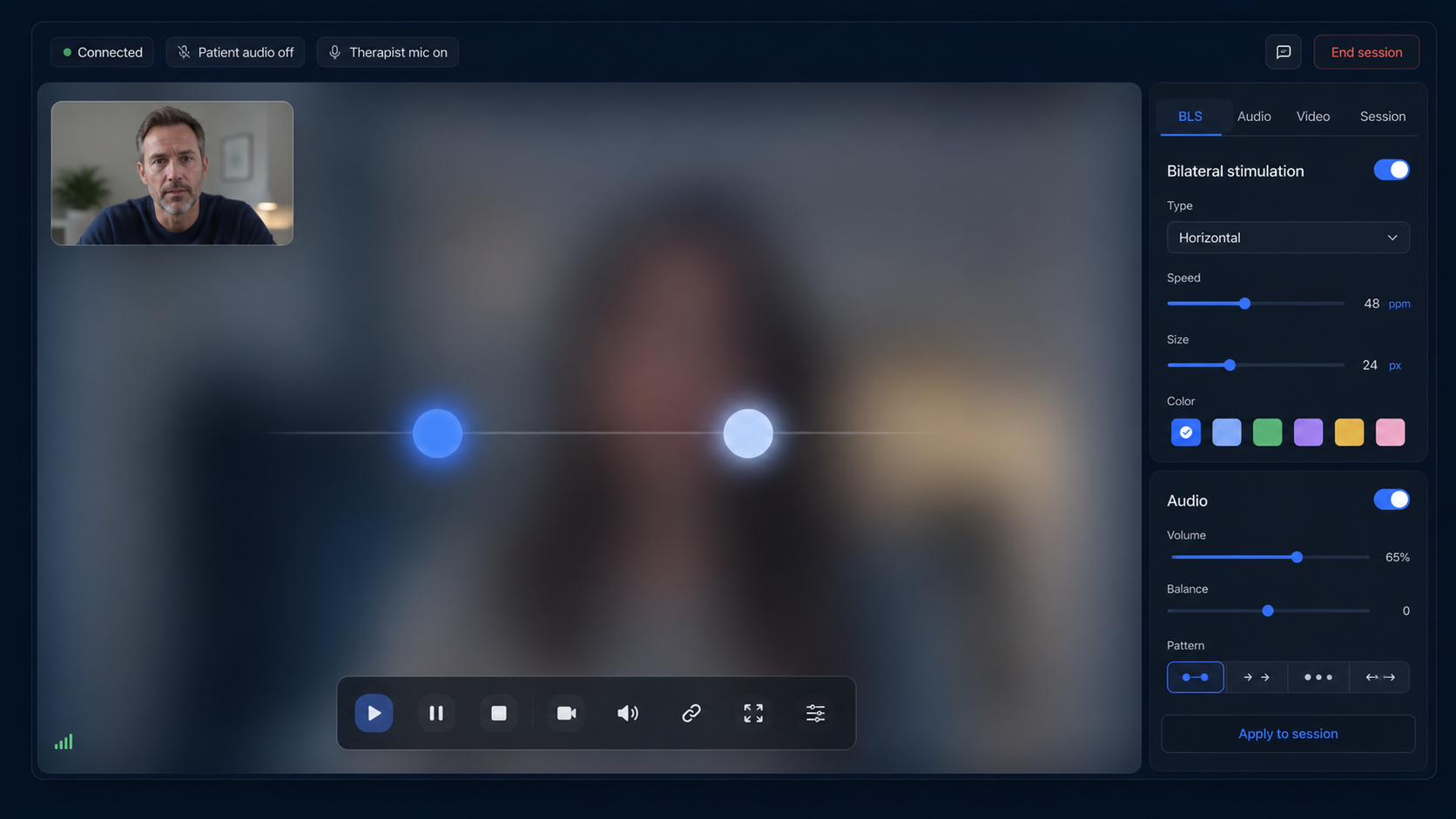
EMDRSuite can help deliver and document a therapist-led session. It does not administer or interpret PCL-5 or CAPS-5, diagnose response or remission, compare a patient with norms, recommend continuation, or declare treatment successful. Outcome measurement and decisions remain clinical responsibilities.
FAQ
how to know if EMDR is working
What are signs EMDR is working?
Look for repeated improvement in agreed symptoms, functioning, goals, target disturbance, and daily choices, without unacceptable adverse change.
Does SUD zero mean treatment is finished?
No. It is one target-level rating and must be considered with reevaluation, function, broader symptoms, and the treatment plan.
How much must the PCL-5 change?
A 10-point reduction has been suggested for response, but threshold evidence is limited and interpretation belongs in clinical context.
Can EMDRSuite calculate whether treatment worked?
No. It does not administer clinical outcome measures or make treatment decisions.
References
How to know whether EMDR is working: progress measures beyond one session
EMDRSuite
Put the guide into practice with EMDRSuite
Run remote EMDR with visual BLS, bilateral sounds, secure patient links, video-ready sessions, saved settings, and notes.
Continue with related EMDR guides