Body dissatisfaction, BDD, and eating disorders are not interchangeable
EMDR for body image: evidence, dysmorphia, and eating-disorder limits
Evaluate EMDR for body image using the direct inpatient study, BDD and eating-disorder guidance, medical risk, and non-stigmatizing outcomes.
By the EMDRSuite Editorial Team
Product claims checked against the current EMDRSuite code and interface.
No independent clinical reviewer is named for this guide.
Body-image distress is not one diagnosis or one target
Concerns may reflect ordinary dissatisfaction, weight stigma, discrimination, scarring, illness, gender dysphoria, trauma-linked shame, an eating disorder, body dysmorphic disorder, OCD, depression, psychosis, or another problem. Do not infer BDD from dislike of appearance or treat identity as pathology.
Assess preoccupation, checking, comparison, avoidance, reassurance, exercise, eating and compensatory behavior, weight change, medical instability, insight, function, bullying, abuse, social context, self-harm, and suicide risk. Eating-disorder medical risk and severe deterioration take priority.
One 86-person study tested EMDR as an addition
A randomized study compared 43 women receiving standard residential eating-disorder treatment with 43 receiving the same program plus EMDR. The EMDR group reported less distress about body-image memories and lower body dissatisfaction through 12 months, but several other body-image and clinical outcomes did not differ.
The study supports a possible adjunct for selected memories within intensive multidisciplinary care. It does not establish EMDR alone for body dissatisfaction, BDD, all genders, community samples, medical stabilization, weight restoration, or the eating disorder itself.
Established care remains diagnosis-specific
NICE recommends eating-disorder-focused treatments that address nutrition, behavior, body image, self-esteem, and physical monitoring. For BDD it recommends CBT including exposure and response prevention, with medication or combined care according to impairment.
A 2025 meta-analysis found moderate effects of stand-alone body exposure on body-image measures, while a 2026 imagery review describes a developing BDD literature. A 38-person pilot EMDR trial for binge-eating disorder reported preliminary benefits but no significant advantage on weight concerns or self-esteem and only 68.8% completed treatment.
Choose outcomes that do not reinforce appearance rules
A target may be a humiliating event, assault, medical procedure, or intrusive image, but treatment should not promise a preferred weight, feature, passing, certainty, or external validation. Track distress, compulsions, nourishment, function, flexibility, safety, and personally chosen values.
EMDRSuite does not diagnose BDD or an eating disorder, assess medical stability, monitor weight or intake, deliver nutrition care, prescribe medication, detect self-harm, select a body-image target, or replace specialist multidisciplinary treatment.
FAQ
EMDR for body image
Is EMDR proven for every body-image problem?
No. The direct study was an adjunctive trial in women receiving residential eating-disorder treatment.
Are body dissatisfaction and BDD the same?
No. BDD has specific preoccupation, repetitive behavior, distress, and impairment features.
Can EMDR replace eating-disorder treatment?
No. Medical monitoring, nutrition, and diagnosis-specific psychotherapy remain essential.
Does EMDRSuite assess medical risk?
No. It does not monitor physical health, eating, weight, or urgent deterioration.
References
EMDR for body image: evidence, dysmorphia, and eating-disorder limits
EMDRSuite
Put the guide into practice with EMDRSuite
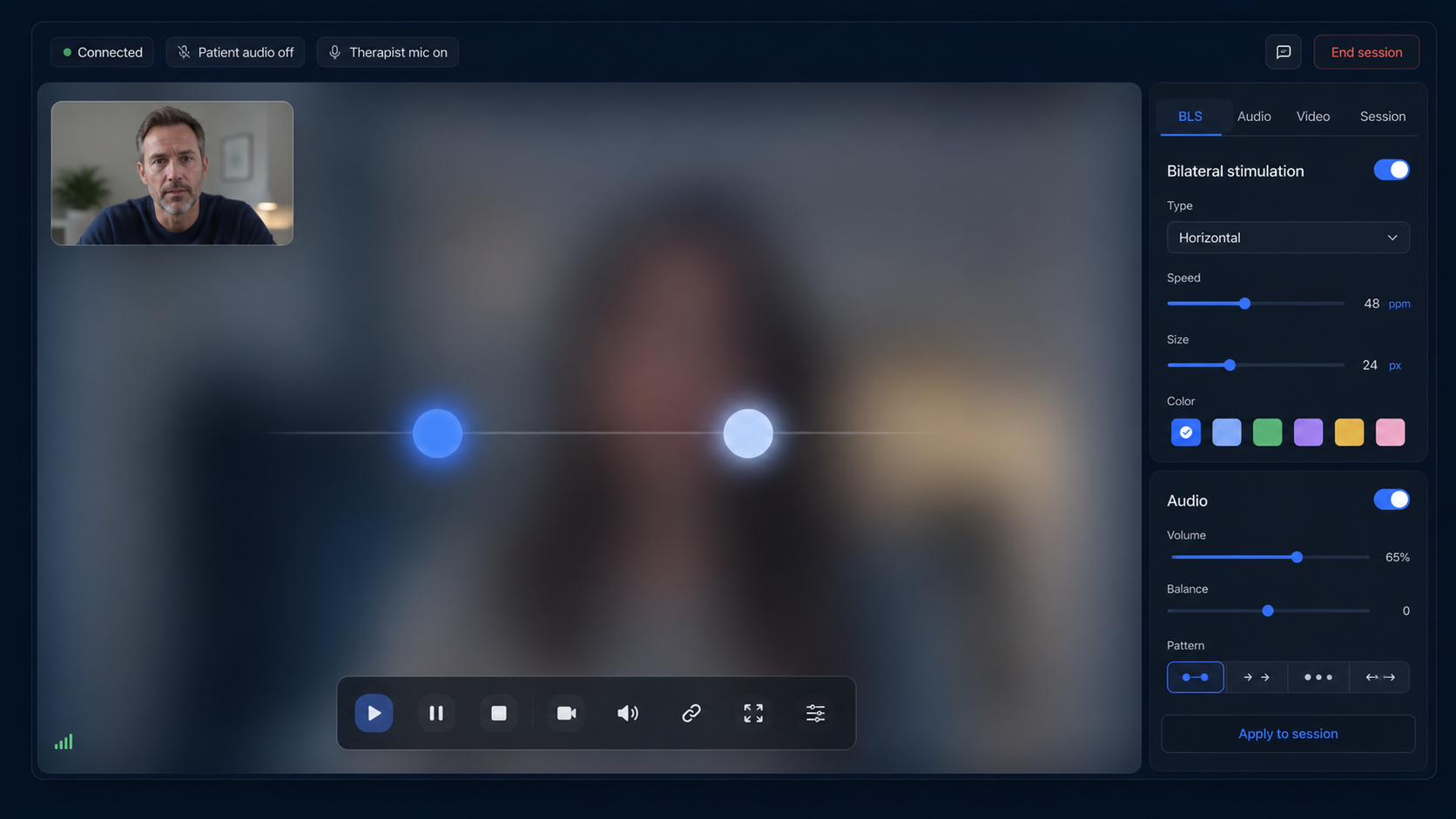
Run remote EMDR with visual BLS, bilateral sounds, secure patient links, video-ready sessions, saved settings, and notes.
Continue with related EMDR guides