Trauma contexts and cultural responsiveness
EMDR and racial trauma: discrimination, evidence limits, and culturally responsive care
A therapist guide to race-based traumatic stress, diagnostic limits, current oppression, culturally responsive assessment, adaptation, consent, and EMDR evidence gaps.
By the EMDRSuite Editorial Team
Product claims checked against the current EMDRSuite code and interface.
No independent clinical reviewer is named for this guide.
Racism can be traumatic without becoming one diagnosis
Racial discrimination may be direct, vicarious, collective, institutional, historical or repeated. A systematic review found frequent associations with trauma symptoms, while measurement and predominantly cross-sectional designs limit causal and diagnostic conclusions.
Do not pathologize justified vigilance, anger, grief or responses to current oppression. Assess PTSD criteria and other concerns while distinguishing present discrimination, cumulative stress, identity, community, physical safety and structural conditions that therapy cannot remove.
EMDR-specific evidence is not established
General PTSD evidence cannot prove a race-based EMDR protocol. Research on culturally adapted trauma interventions suggests possible short-term benefits, but it combines different treatments, adaptations and populations, with small samples and limited longer follow-up.
State the gap plainly. Do not advertise cultural adaptation or EMDR superiority without direct evidence, and do not use one experimental study or therapist preference as a population-wide recommendation.
Assessment includes context, power and intersection
Ask how the person names the experience and whether race, ethnicity, migration, language, faith, gender, sexuality, disability, class or other identities matter. Consider direct and indirect exposure, current risk, community meaning, prior care, mistrust and strengths without imposing a trauma label.
Measures can support discussion but may miss collective, vicarious or culturally specific experiences. A score does not validate or invalidate discrimination, diagnose by itself or decide readiness.
Responsiveness is collaborative, not cosmetic
Reviews identify language, cultural matching, collaboration, provider training, stigma, practical access and sociocultural integration as adaptation themes. Apply them through consent and feedback, not stereotypes or a standard checklist for a racial group.
EMDRSuite does not infer identity, culture or oppression, prescribe adaptations, prove cultural competence or repair structural harm. Therapists remain responsible for humility, consultation, accessible care, repair after misattunement and referral when needed.
FAQ
EMDR racial trauma
Is racial trauma a DSM diagnosis?
No. Race-based traumatic stress describes possible responses to racism; assess diagnoses without denying context or pathologizing every response.
Is there a proven EMDR protocol for racial trauma?
No. EMDR-specific evidence is not established, and broader cultural-adaptation research should not be overstated.
Can a questionnaire prove discrimination occurred?
No. Measures can structure assessment but cannot validate events, capture every context or diagnose alone.
Can EMDRSuite make treatment culturally responsive?
No. Technology cannot infer culture or replace therapist competence, collaboration, humility and consultation.
References
EMDR and racial trauma: discrimination, evidence limits, and culturally responsive care
EMDRSuite
Put the guide into practice with EMDRSuite
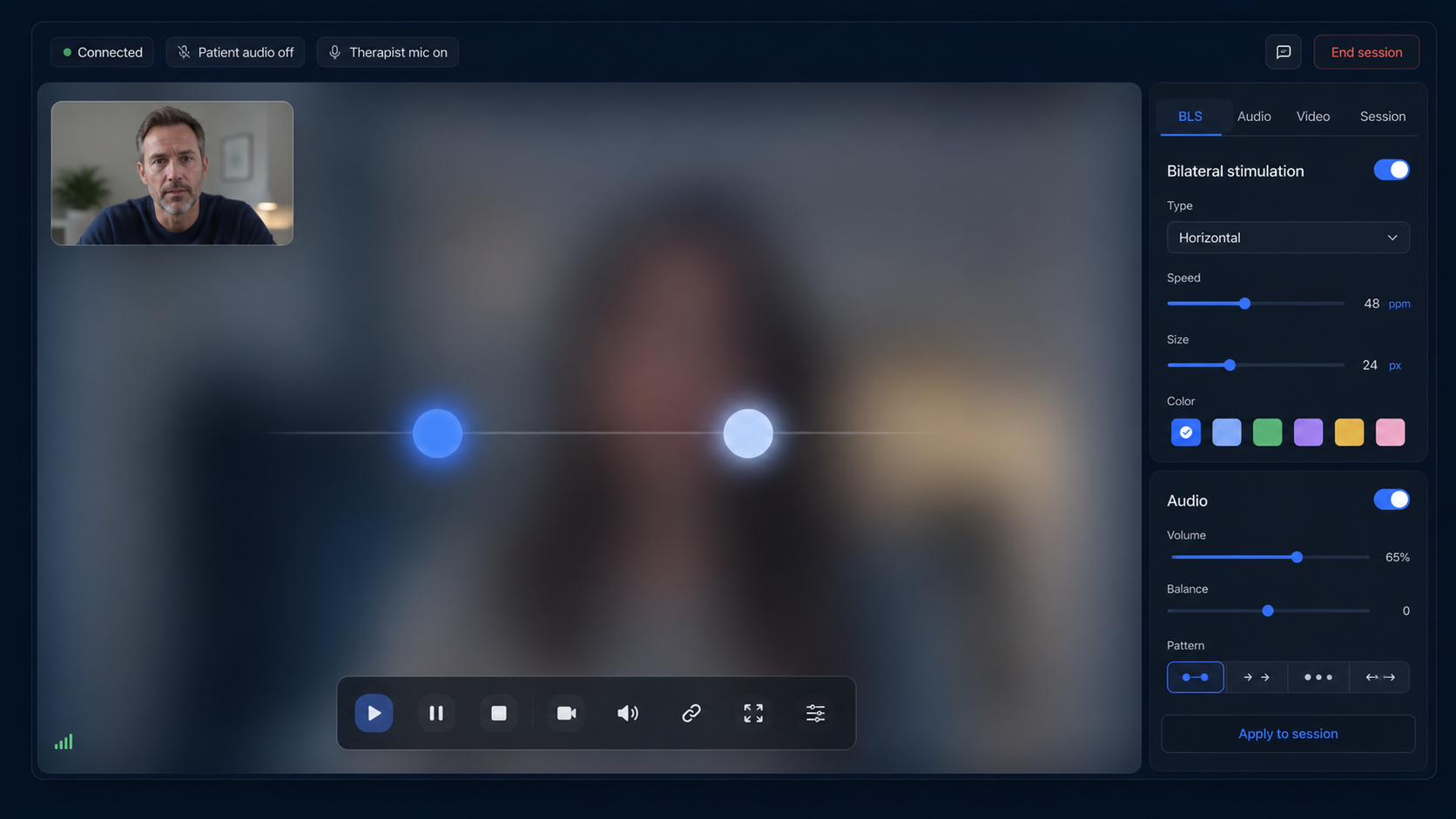
Run remote EMDR with visual BLS, bilateral sounds, secure patient links, video-ready sessions, saved settings, and notes.
Continue with related EMDR guides