Specialist conditions and evidence
EMDR for substance use and addiction: craving, trauma, and evidence limits
A professional review separating craving, use, relapse and PTSD outcomes, with current EMDR evidence, addiction-treatment guidance, safety and coordination limits.
By the EMDRSuite Editorial Team
Product claims checked against the current EMDRSuite code and interface.
No independent clinical reviewer is named for this guide.
Craving, substance use, relapse, and PTSD are different outcomes
A substance use disorder cannot be reduced to an upsetting memory or a craving score. Assessment may need to consider the substance, pattern and quantity of use, intoxication, withdrawal, overdose risk, medication, physical health, trauma, other mental disorders, social context, prior treatment, and current supports.
Trauma-focused EMDR and addiction-focused EMDR also ask different research questions. Improvement in PTSD or emotional distress does not prove reduced consumption or relapse, while a short-term change in craving does not establish sustained recovery. Each outcome needs its own measure and follow-up.
Newer meta-analysis findings remain mixed by outcome
A 2025 meta-analysis included 14 studies using randomized, crossover, and quasi-experimental designs. It reported moderate effects for craving, PTSD, depression, and anxiety, but no significant effect on addiction severity. Study design and intervention type influenced results.
A 2024 craving meta-analysis pooled five studies with 266 participants and found a reduction against active comparisons, with moderate-to-high heterogeneity. Earlier systematic review evidence contained only four eligible studies. These signals justify research and careful discussion, not a claim that EMDR prevents relapse or treats every addiction.
EMDR does not replace established addiction care
NICE CG115 describes withdrawal management, psychological interventions, medication options, social-network approaches, behavioural couples therapy, monitoring, and coordinated care for harmful drinking and alcohol dependence. EMDR is not listed as a routine standalone addiction treatment.
Withdrawal from alcohol, benzodiazepines, or other substances can require urgent medical management. Overdose, intoxication, suicidality, unstable housing, safeguarding, and medication interactions may alter priorities. Trauma work should be integrated with the responsible addiction and medical team rather than used to bypass them.
Document the role, target, and recovery outcomes
If EMDR is considered, state whether it targets comorbid PTSD, a trauma memory, substance-related imagery, craving, or another agreed process. Record treatment already in place, competence, consent, stability, alternatives, coordination, measures, review point, and conditions for pausing or escalating care.
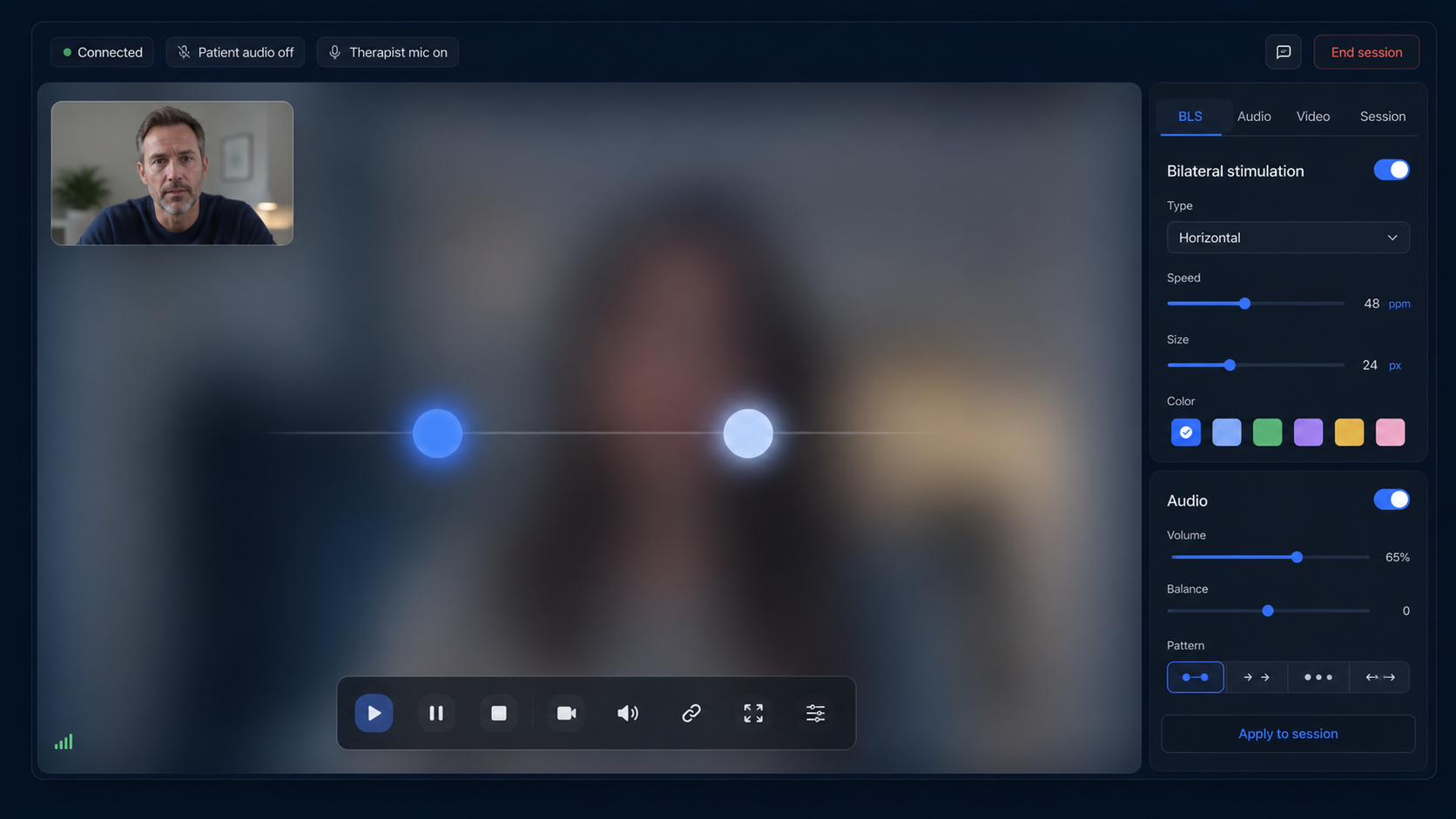
Track use and verified abstinence where appropriate, craving, relapse, treatment engagement, PTSD, mood, functioning, adverse responses, and longer follow-up. EMDRSuite supports remote sessions and records; it cannot detect intoxication reliably, manage withdrawal, prevent overdose, prescribe, or deliver emergency addiction care.
FAQ
EMDR for addiction
Does reduced craving prove recovery from addiction?
No. Craving, consumption, severity, relapse, engagement, and functioning are distinct outcomes and need separate follow-up.
Is EMDR a routine standalone addiction treatment?
No. Current evidence is emerging and mixed by outcome; established medical, psychological, and social treatment pathways remain necessary.
Can EMDR address PTSD in someone with a substance use disorder?
Potentially within coordinated care and appropriate competence, after assessing intoxication, withdrawal, stability, risk, consent, and the relevant PTSD guidance.
Can EMDRSuite manage withdrawal or overdose risk?
No. Those require clinical and emergency systems outside session-delivery software.
References
EMDR for substance use and addiction: craving, trauma, and evidence limits
EMDRSuite
Put the guide into practice with EMDRSuite
Run remote EMDR with visual BLS, bilateral sounds, secure patient links, video-ready sessions, saved settings, and notes.
Continue with related EMDR guides