Presenting problems and evidence
EMDR for grief and prolonged grief: distinguish loss, trauma, and evidence
A careful review separating normal grief, prolonged grief disorder, PTSD after traumatic loss, EMDR evidence, combined treatments, and ethical clinical planning.
By the EMDRSuite Editorial Team
Product claims checked against the current EMDRSuite code and interface.
No independent clinical reviewer is named for this guide.
Grief is not automatically a disorder
Bereavement can involve intense sadness, yearning, disbelief, anger, guilt, changes in identity, and fluctuating functioning without constituting a mental disorder. Culture, faith, relationship, circumstances of death, time, support, and personal meaning shape the course of grief.
Prolonged grief disorder, PTSD after a traumatic loss, depression, and expected grief are not interchangeable. Assessment should examine the relevant diagnostic criteria, impairment, timing, trauma symptoms, mood, risk, cultural context, and what the bereaved person wants help with rather than pathologizing grief by default.
The broader prolonged-grief evidence does not establish EMDR alone
A 2025 network meta-analysis included 40 studies and 4,566 participants across multiple interventions. Exposure, support, narrative reconstruction, artistic expression, and CBT elements appeared in effective approaches. That literature cannot be summarized as evidence for one EMDR protocol.
A separate review of 30 randomized trials found CBT predominant and described combinations involving mindfulness, exposure, or EMDR as promising, especially for trauma-related grief. A 2024 meta-analysis specifically supports grief-focused CBT. Comparator and treatment ingredients must stay visible.
Direct EMDR evidence is limited and often combined
An 85-person randomized trial after homicidal bereavement tested an eight-session treatment combining CBT and EMDR against waitlist and found reductions in complicated-grief and PTSD symptoms. Because both therapies were delivered together, the trial cannot isolate EMDR's contribution.
Results from traumatic or homicidal loss should not be generalized to all bereavement. Nor should improvement against waitlist be read as superiority over established grief-focused treatment. More component, active-comparator, adverse-effect, and long-term research is needed.
Formulation should name the problem being treated
If EMDR is considered, document whether the proposed target is a disturbing memory of the death, PTSD, a process associated with prolonged grief, or another formulation. Discuss established options, evidence limits, consent, cultural meaning, readiness, therapist competence, risk, and a review point.
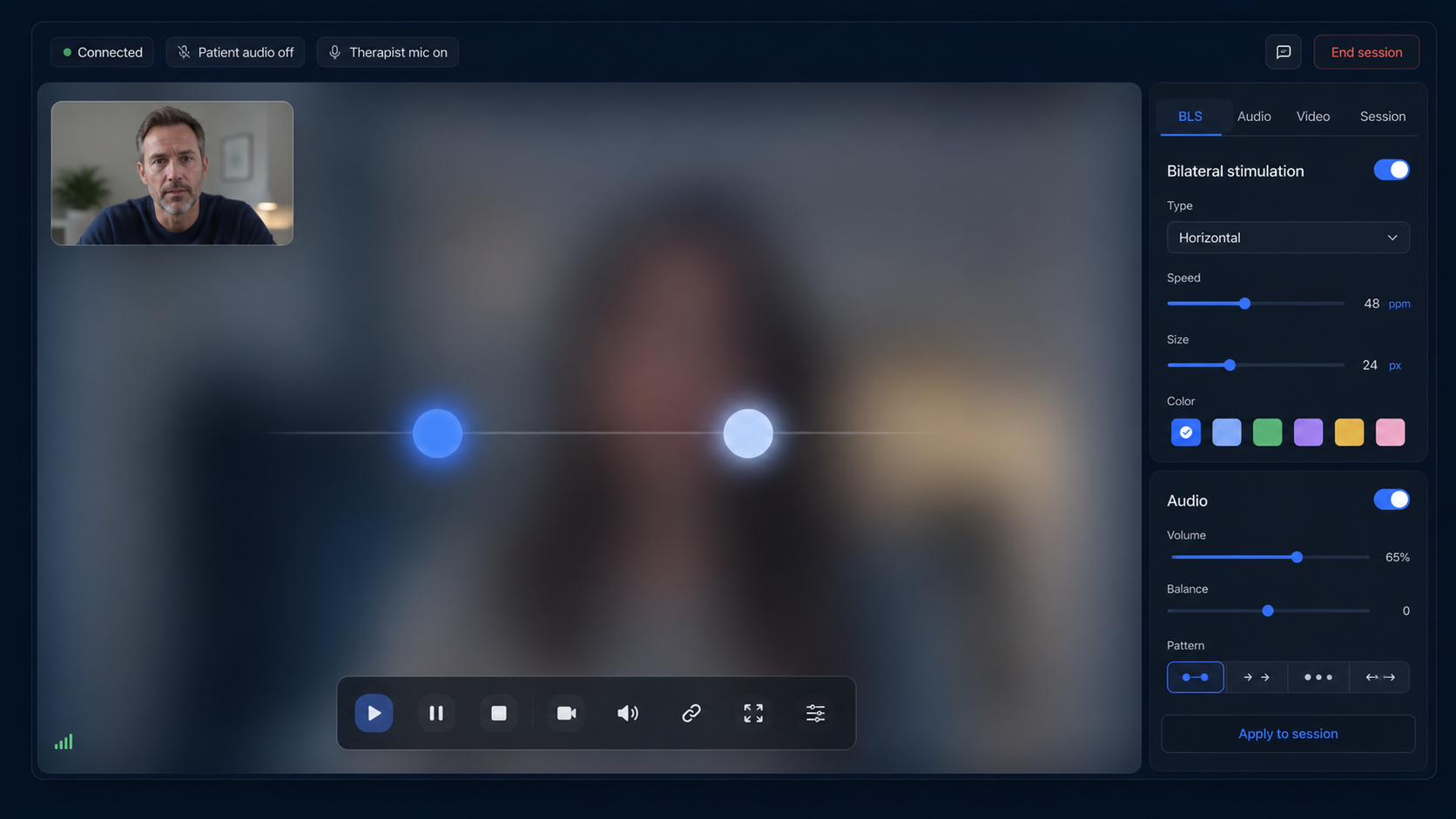
Track grief symptoms, trauma symptoms, depression, functioning, connection, avoidance, adverse responses, and the person's own goals without defining continuing bonds as pathology. EMDRSuite can support remote delivery and records; it cannot diagnose prolonged grief, determine timing, or replace crisis and bereavement care.
FAQ
EMDR for grief
Is intense grief automatically prolonged grief disorder?
No. Diagnosis depends on criteria, timing, impairment, context, and careful assessment; intensity alone is not enough.
Do trials prove EMDR alone treats prolonged grief?
No. Direct evidence is limited, and an important randomized trial combined CBT with EMDR, so EMDR's separate contribution cannot be isolated.
Can traumatic loss involve both grief and PTSD?
Yes. They can coexist, but they are distinct constructs and may require different outcome measures and treatment decisions.
Can software decide when grief should be processed?
No. Timing, diagnosis, formulation, consent, risk, culture, and treatment choice remain clinical responsibilities.
References
EMDR for grief and prolonged grief: distinguish loss, trauma, and evidence
EMDRSuite
Put the guide into practice with EMDRSuite
Run remote EMDR with visual BLS, bilateral sounds, secure patient links, video-ready sessions, saved settings, and notes.
Continue with related EMDR guides