Betrayal describes a relationship context, not one diagnosis
EMDR for betrayal trauma and infidelity: evidence and choices
Review EMDR after betrayal or infidelity without assuming PTSD: direct evidence gaps, individual and couple options, safety, agency, and outcome measurement.
By the EMDRSuite Editorial Team
Product claims checked against the current EMDRSuite code and interface.
No independent clinical reviewer is named for this guide.
Betrayal trauma covers more than infidelity
Betrayal-trauma research includes harm by a person or institution on whom someone depends, including emotional, physical, or sexual maltreatment. In common use, the phrase may also describe an affair, secrecy, financial deception, abandonment, or broken trust.
These experiences can bring intrusion, avoidance, hypervigilance, shame, anger, grief, depression, anxiety, sleep disruption, or no formal disorder. Infidelity alone does not automatically establish DSM trauma exposure, PTSD, attachment style, addiction, or a hidden childhood cause.
The direct evidence does not establish an EMDR infidelity protocol
A study of 593 university students linked betrayal exposure with intrusion, avoidance, depression, and anxiety indirectly through emotion-regulation difficulty. It was cross-sectional path analysis, not a treatment trial and not specific to affairs.
A 17-study review involving 13,666 participants found small associations between attachment insecurity and infidelity. Those associations do not explain one partner's actions, prove causality, or justify making attachment repair the mandatory target. The cited research does not isolate EMDR for infidelity recovery.
Individual, couple, and adjustment treatments answer different questions
In a community sample, 145 couples identifying infidelity improved through couple therapy and were not statistically different from 385 other couples at six-month follow-up, although missing data were substantial. That study did not test EMDR.
A randomized study of 81 women found benefits from mindfulness-based schema therapy and forgiveness therapy. Forgiveness was one studied intervention, not an ethical requirement. A broader adjustment-disorder meta-analysis supports CBT while noting limited evidence for other approaches.
Protect agency, consent, and separate records
Clarify whether the client is an individual or couple, whether deception, coercion, violence, sexual-health risk, finances, children, or legal issues remain active, and what information may be shared. Reconciliation, disclosure, separation, no contact, or forgiveness must not be imposed.
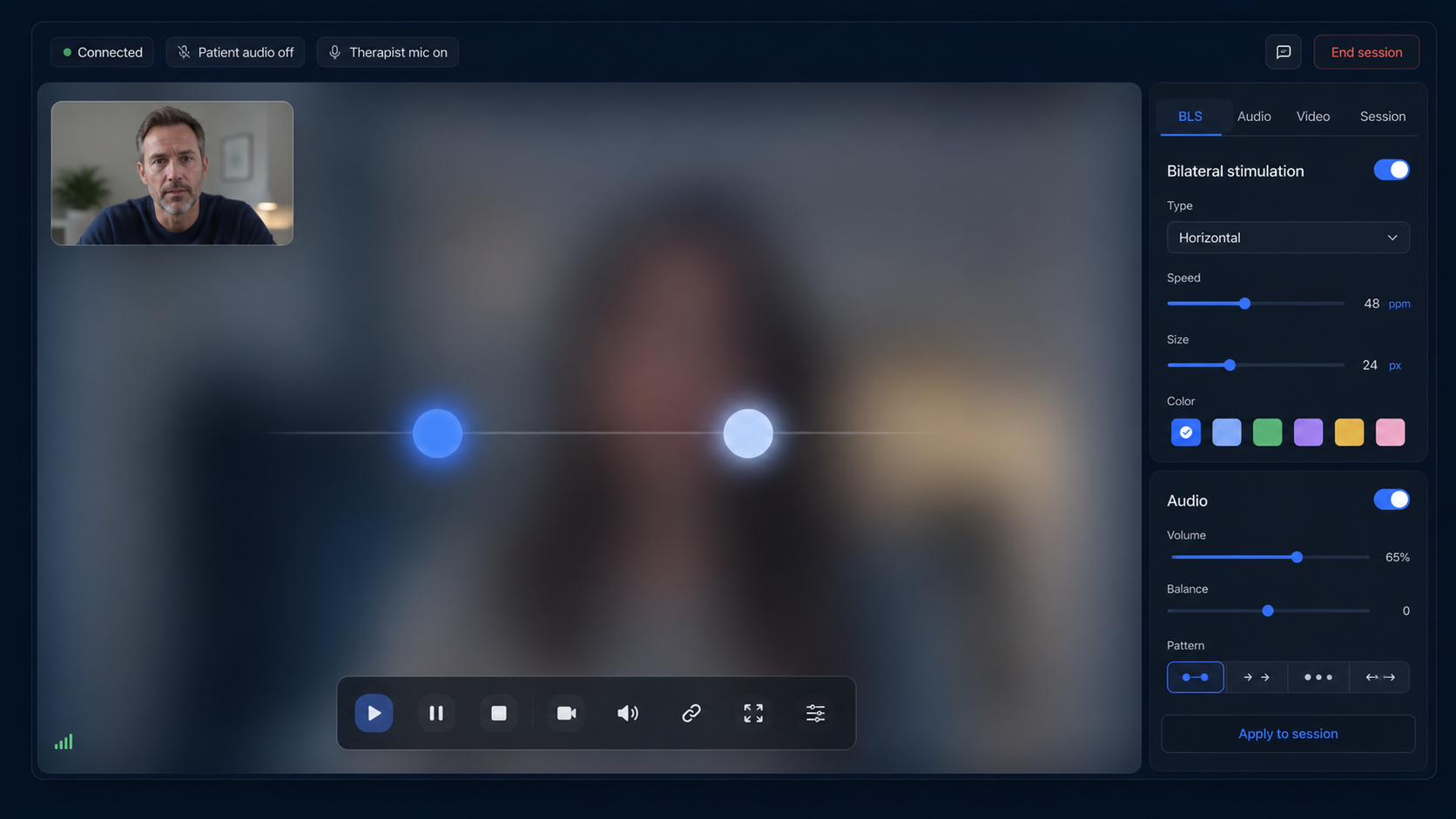
EMDRSuite does not detect infidelity, determine truth, diagnose betrayal trauma, deliver couple therapy, mediate disclosure, manage sexual-health or legal risk, decide reconciliation, select memories, or guarantee restored trust. It supports the qualified therapist's remote-session workflow only.
FAQ
EMDR for betrayal trauma
Is betrayal trauma a diagnosis?
No. It is a framework or description; assess the person's symptoms, functioning, safety, and applicable diagnosis separately.
Is EMDR proven specifically for infidelity?
The cited evidence does not establish a direct EMDR outcome trial for infidelity recovery.
Must treatment aim for forgiveness?
No. Forgiveness, reconciliation, separation, and disclosure remain matters of agency and informed choice.
Can EMDRSuite provide couple therapy?
No. It provides session technology and does not choose or deliver a couple-treatment model.
References
EMDR for betrayal trauma and infidelity: evidence and choices
EMDRSuite
Put the guide into practice with EMDRSuite
Run remote EMDR with visual BLS, bilateral sounds, secure patient links, video-ready sessions, saved settings, and notes.
Continue with related EMDR guides