EMDR populations and evidence
EMDR for birth trauma and perinatal PTSD: evidence, timing, and coordinated care
A therapist guide to childbirth-related PTSD, EMDR evidence limits, differential assessment, postpartum safety, medical coordination, consent, timing, and remote care.
By the EMDRSuite Editorial Team
Product claims checked against the current EMDRSuite code and interface.
No independent clinical reviewer is named for this guide.
A traumatic birth experience and PTSD are related, not identical
Birth trauma can describe a person's subjective experience, an obstetric emergency, injury, loss, coercion, severe pain, separation, threat, or a wider perinatal course. Some people develop PTSD; others experience acute stress, depression, anxiety, grief, obsessive symptoms, psychosis, pain, relationship distress, or no disorder. Do not infer diagnosis from the birth event alone.
Assessment includes the person's account and goals, PTSD criteria and timing, prior trauma, current medical recovery, sleep deprivation, pain, medication, infant health, feeding, bonding concerns, reproductive loss, domestic safety, suicidality, psychosis or mania, and available support. Urgent psychiatric, safeguarding, or medical needs take priority over a planned trauma intervention.
The wider trauma-focused evidence is stronger than EMDR-specific certainty
Systematic reviews suggest trauma-focused psychological therapies can reduce postnatal PTSD symptoms, but interventions, populations, timing, controls, and outcomes vary. Reviews finding promising EMDR results also emphasize few studies and the need for larger controlled trials. This does not establish EMDR as the single best treatment for every birth-related presentation.
Early-intervention evidence cannot justify universal processing immediately after childbirth. Distinguish indicated treatment from prevention, debriefing, supportive maternity care, and response to subthreshold symptoms. Explain uncertainty and alternatives, including other guideline-supported trauma-focused therapies and coordinated perinatal mental health care.
Timing must include physical, infant, and family realities
Treatment planning considers medical follow-up, postpartum recovery, current procedures, lactation or medication questions within the appropriate prescriber's role, sleep, caregiving, privacy, partner or support involvement, childcare, and the possibility that reminders remain ongoing. The patient controls whether and how obstetric records or support people are included.
Use inclusive reproductive language chosen by the patient. Do not assume parenthood role, gender, bonding experience, mode of birth, or that a healthy infant cancels trauma. Consent should cover expected process, possible between-session disturbance, alternatives, coordination, emergency pathways, and the right to pause without framing this as treatment failure.
Remote care needs a realistic postpartum setup
Confirm the patient's location, privacy, infant and caregiver plan, interruptions, backup contact, emergency resources, device and audio access, and what happens if medical or infant needs arise. A session can be adapted or stopped; an uninterrupted camera appointment is not more important than immediate safety and caregiving.
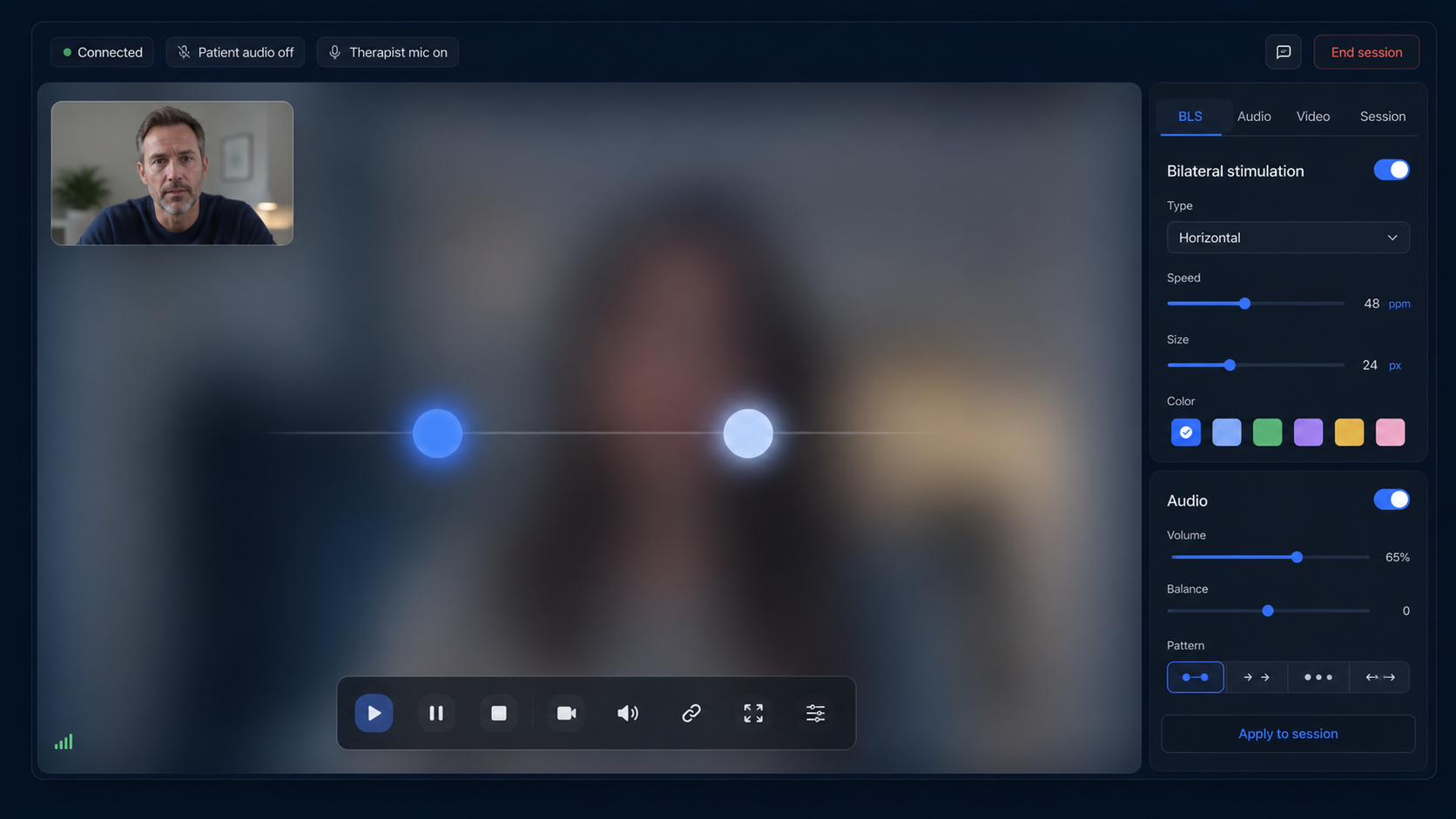
EMDRSuite can support therapist-controlled remote sessions and structured notes. It does not diagnose perinatal PTSD, provide obstetric or psychiatric care, assess an infant, choose timing or targets, coordinate records, prescribe treatment, or turn limited evidence into a guarantee. The clinician remains responsible for integrated care and local requirements.
FAQ
EMDR for birth trauma
Does a difficult birth always cause PTSD?
No. A traumatic experience, acute stress, grief, depression, anxiety, psychosis, and PTSD require distinct assessment; many people will not develop PTSD.
Is EMDR proven to be the best birth-trauma treatment?
No. Findings are promising, but EMDR-specific studies remain limited and do not establish superiority for every patient.
Should EMDR begin immediately after birth?
There is no universal timing. Medical recovery, symptoms, consent, support, risk, diagnosis, and alternatives guide planning.
Does EMDRSuite provide perinatal care?
No. It supports a qualified therapist's remote workflow and does not replace obstetric, psychiatric, safeguarding, or emergency care.
References
EMDR for birth trauma and perinatal PTSD: evidence, timing, and coordinated care
EMDRSuite
Put the guide into practice with EMDRSuite
Run remote EMDR with visual BLS, bilateral sounds, secure patient links, video-ready sessions, saved settings, and notes.
Continue with related EMDR guides