Emotion regulation is a transdiagnostic process, not a diagnosis or synonym for calm
EMDR and emotional regulation: evidence, skills, and sequencing
Evaluate EMDR for emotional regulation against transdiagnostic therapy evidence, PTSD studies, skills training, readiness, measurement, and limits.
By the EMDRSuite Editorial Team
Product claims checked against the current EMDRSuite code and interface.
No independent clinical reviewer is named for this guide.
Regulation means flexible responding, not suppressing emotion
Emotion regulation includes noticing, understanding, accepting, modulating, and acting effectively with emotions according to context and values. Difficulty can involve escalation, impulsive action, shutdown, dissociation, avoidance, rumination, self-harm, substance use, or inability to identify emotion; it is not one diagnosis.
Assess function, triggers, duration, recovery, sleep, substances, medication, pain, neurodevelopment, mania, psychosis, PTSD, dissociation, eating behavior, relationships, self-harm, suicide, aggression, and environmental threat. A DERS score can monitor selected difficulties but cannot diagnose or choose EMDR.
The direct EMDR question is diagnosis- and protocol-specific
A clinical review links emotion-regulation patterns to EMDR decision-making but is not an efficacy trial for transdiagnostic dysregulation. In a 31-person inpatient trial for binge eating, EMDR and CBT did not differ significantly; both occurred inside multidisciplinary residential care and improvements cannot be attributed cleanly to either condition.
A 62-person severe-PTSD study combined prolonged exposure and EMDR and found emotion-regulation difficulties decreased, but it did not isolate EMDR. Improvement in regulation during successful PTSD treatment does not establish EMDR as a stand-alone emotion-regulation skills programme.
Skills therapies have a broader direct evidence base
A meta-analysis of 18 randomized articles found moderate improvements during Unified Protocol, CBT, DBT, and mindfulness treatments, with heterogeneity and methodological limits. These interventions teach and practice strategies rather than assuming a hidden memory explains every intense emotion.
A randomized trial of 68 adults compared STAIR followed by EMDR with STAIR followed by narrative therapy. Both groups improved and there were no significant differences on any outcome; because both received skills training first, the trial cannot show that EMDR replaced those skills.
Choose sequencing from formulation and risk, not a universal rule
Some patients can begin trauma-focused treatment without a lengthy stabilization phase; others need immediate crisis work, skills, environmental change, substance care, medical review, or a slower plan. Agree observable readiness, target, alternatives, review points, adverse-event monitoring, and what would prompt a pause.
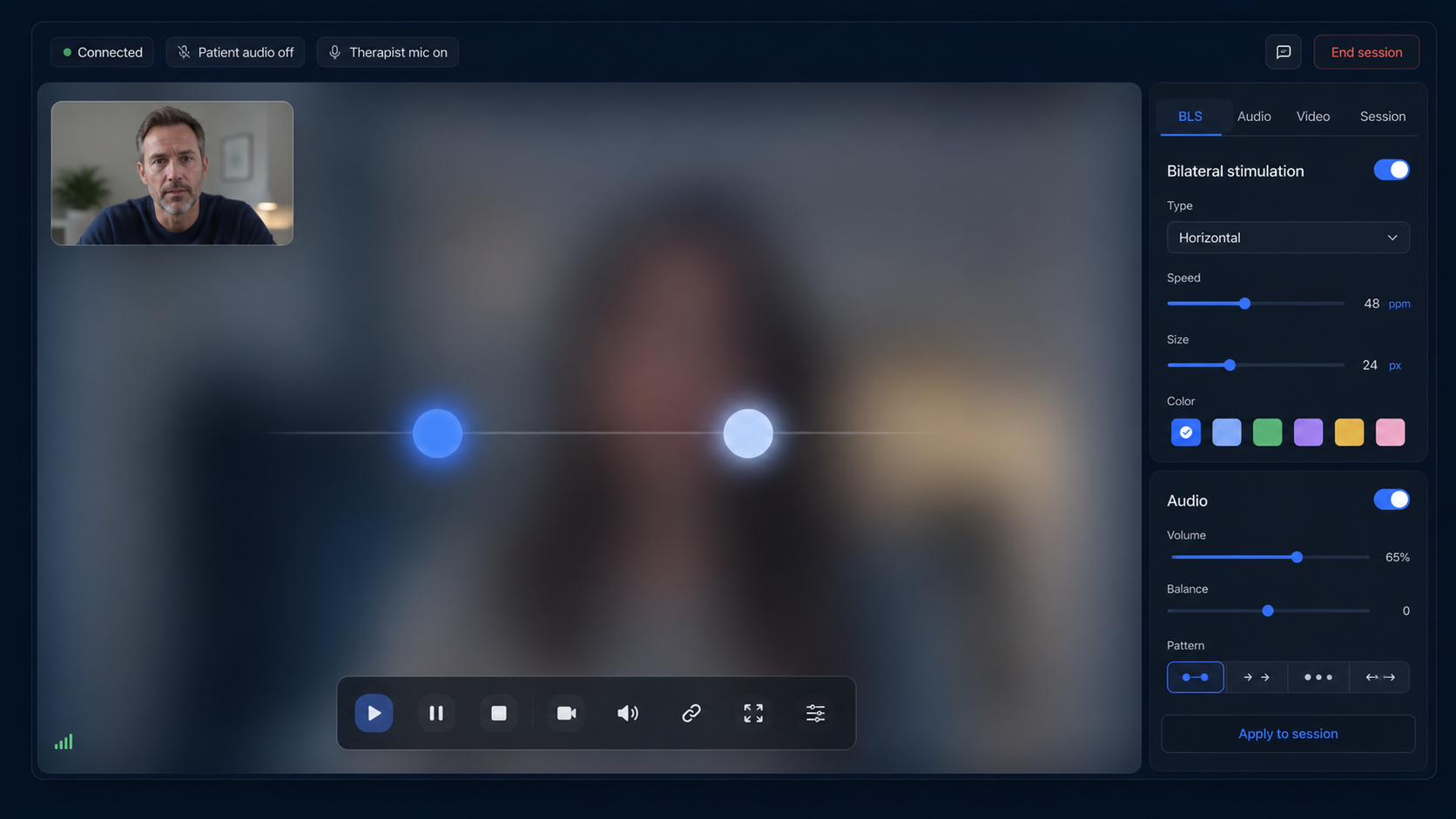
EMDRSuite does not diagnose dysregulation, administer or interpret DERS, teach DBT or crisis skills, assess self-harm or violence, decide readiness, monitor between sessions, select memories, or guarantee calm. It provides therapist-controlled session technology, not a treatment sequence.
FAQ
EMDR for emotional regulation
Is emotional dysregulation a diagnosis?
No. It is a transdiagnostic process that can arise in many conditions and contexts.
Is EMDR an emotion-regulation skills treatment?
Not by itself. Direct skills evidence is broader for approaches such as DBT, CBT, Unified Protocol, and mindfulness.
Must everyone complete stabilization before EMDR?
No universal duration applies; sequencing should follow formulation, risk, capacity, preference, and response.
Can EMDRSuite decide readiness?
No. It does not assess risk, teach skills, interpret measures, or choose treatment sequencing.
References
EMDR and emotional regulation: evidence, skills, and sequencing
EMDRSuite
Put the guide into practice with EMDRSuite
Run remote EMDR with visual BLS, bilateral sounds, secure patient links, video-ready sessions, saved settings, and notes.
Continue with related EMDR guides